Platelet-rich plasma
PRP uses a concentrated preparation of platelets from your own blood, which may support skin quality and texture. Because it is autologous, made from your own blood, no foreign substance is injected.
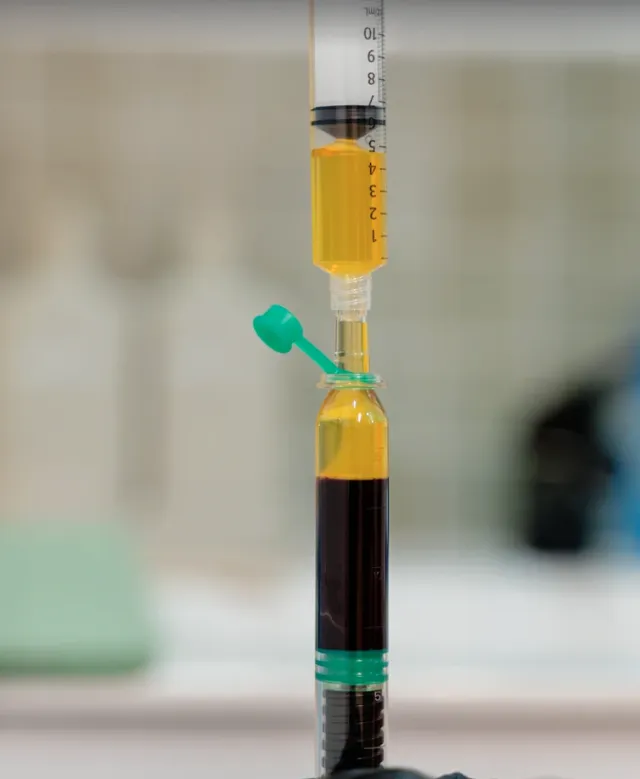
What it is and how it works
A small blood sample is taken and spun in a centrifuge to concentrate the platelets. The resulting plasma is then injected into the treatment area.
PRP is usually planned as a course of sessions, and any changes are gradual rather than dramatic. Suitability is assessed in consultation, and we will tell you honestly if another approach would serve your skin better.
PRP, step by step.
What to expect
- Consultation and suitability assessment first.
- On the day: blood draw, preparation of the plasma, then a series of small injections.
- Appointments typically take around an hour.
- Written aftercare and a review before further sessions.
Risks and recovery
Common, temporary effects include swelling, redness, tenderness and bruising at both the blood-draw and injection sites. Less common risks include infection and prolonged swelling. Most people return to normal activities within a day.
Who it may not suit: PRP is not appropriate with certain blood or platelet disorders, some medications, active infection, or during pregnancy and breastfeeding. A consultation is required to assess your individual suitability. Individual results vary, and no specific outcome can be promised.
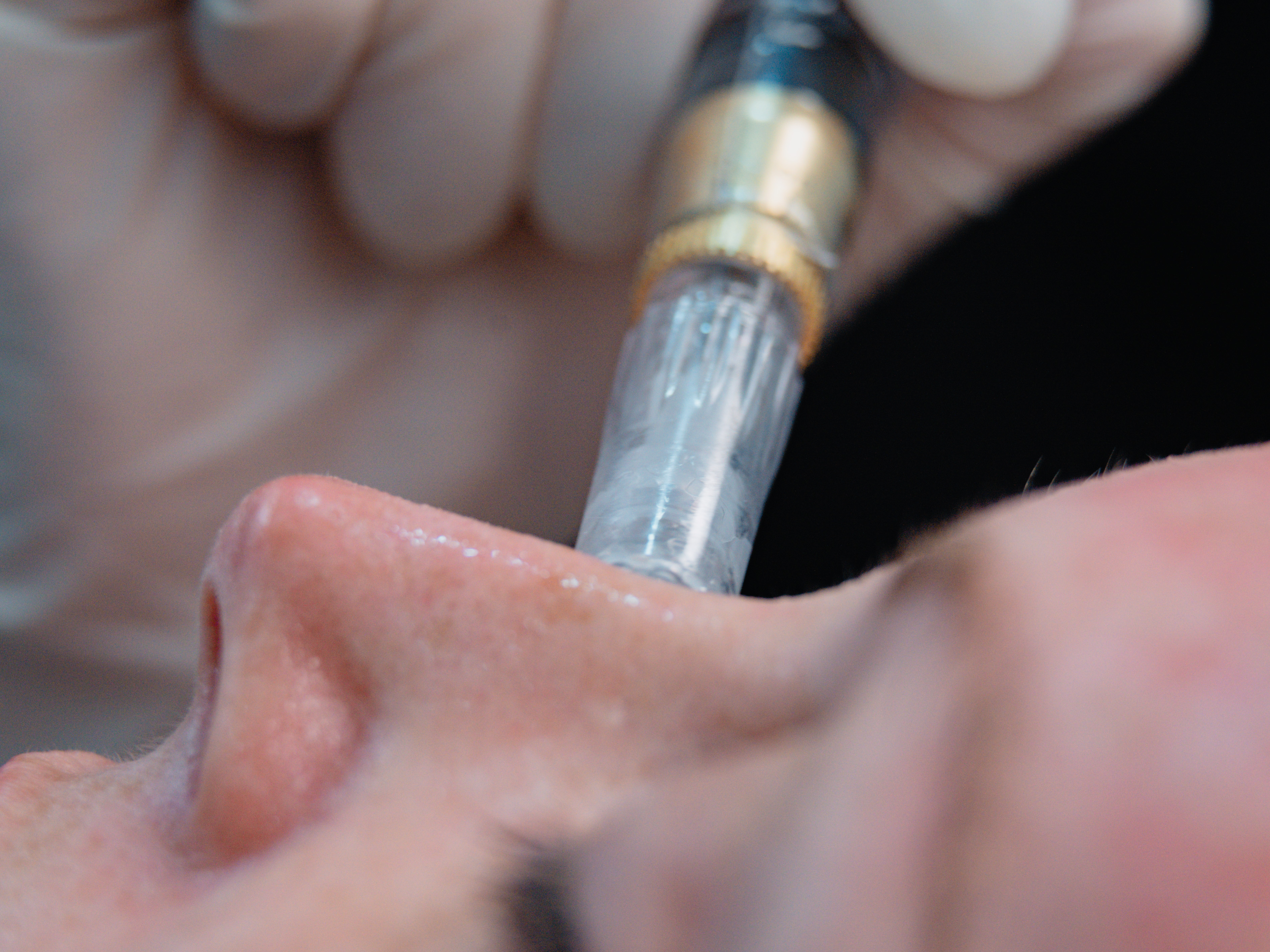
The PRP Renewal Plan
A structured three-session program pairing PRP with microneedling in every session. Sessions are spaced about four weeks apart across roughly twelve weeks, with your skin reviewed at each visit.
As with everything at Ochea, it begins with a consultation to assess whether PRP suits your skin, and it only proceeds if it is clinically appropriate.
Explore the Plan →